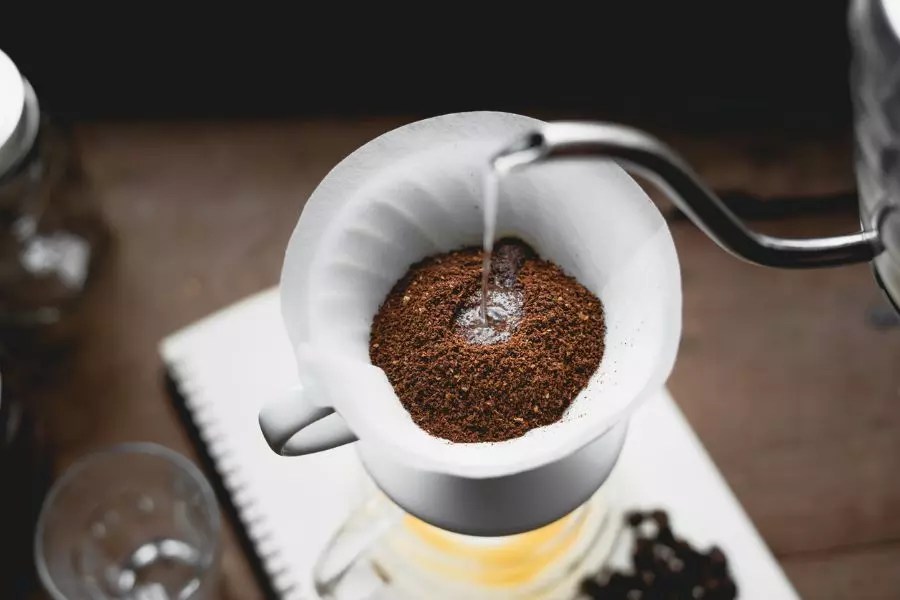
Making Coffee With Distilled Water. To do so you can use mineral packets, such as these by third wave water, or craft your own “water for coffee” recipe by dissolving epsom salt and baking soda into distilled water. There are facts you may want to reflect on before making your decision. Is it ok to use distilled. That is very suitable for a better taste coffee and has all the mineral and nutritional content that doesn’t taste like metal at all. The quality will only be as good as the water you use. You can make coffee with any type of water, but you might want to contemplate if distilled water is the best option. Without the presence of calcium and magnesium, the flavor of coffee takes a hit. Compare the smell the brewed coffee, your final distillate , and the residue in the still pot. The only benefit of using distilled water in a coffee maker is that it can reduce the need for cleaning. However, if you are more into fine coffee, skip the distiller’s water entirely. No, it is not ok to use distilled water to make coffee. You’ll get the hang of it by reading the recipes above. On the other hand, this may hasten the deterioration of the internal components in certain coffee makers, such as keurig. Regular tap water actually enhances the flavor of coffee (remember, a majority of your coffee is water), and by using distilled water, you’re robbing your taste buds of that experience. Carefully put the fire brick inside this pot of water and place your coffee pot on top of it.
Can You Make Coffee with Distilled Water? (Here's What to Consider) from wigglywisdom.com
The best water to make coffee would be reverse osmosis water which is just filtered tap water. There are facts you may want to reflect on before making your decision. Record the boiling range of the distillate. With a slight modification you can get 100 % pure water however this. Distilled water is the purest form of water around, which means that it should enhance the flavour of what it is being added to, correct? Using distilled water is the best way to get a mediocre, bitter cup of joe — no matter how good your coffee maker is. In a number of ways, you can achieve the best of both worlds: You can find out information about the water in your area by checking the website of your local water supplier. You can make coffee with any type of water, but you might want to contemplate if distilled water is the best option. Using distilled water in a coffee maker will lead to a slow breakdown of its internal metal parts.
You Can Make Coffee With Any Type Of Water, But You Might Want To Contemplate If Distilled Water Is The Best Option.
A smooth, balanced cup of coffee, at the same time as reducing overall service demands of the machine. The quality will only be as good as the water you use. Keep in mind that this is not 100 % pure using this method this is only for the concept. Distilled water has all the minerals, and thus the flavor, removed, whereas spring water may have too heavy of a mineral taste. Even if you have an electric coffee maker, it will not make a good cup of coffee when you don’t use distilled water. Instead of mixing coffee with hot water, make it with cold water. There are facts you may want to reflect on before making your decision. Make sure to balance these items properly to avoid spillage. Put your beans in a pourover coffee brewer following device directions.
Using Distilled Water To Brew Coffee Is Perfectly Safe.
Record the refractive index of the water you distilled and deionized water and compare. Coffee made with distilled water tastes flat and muted. Making coffee with distilled water. At a neutral ph, ideally the best water for coffee making has around 150 mg/l of total dissolved solids (tds). Using distilled water in a coffee maker will lead to a slow breakdown of its internal metal parts. A lame cup of water yields a lame cup of coffee. Distilled water doesn’t have any minerals in it, and therefore doesn’t have ions. How to make great coffee at home bring distilled water to a gentle boil. Take a moment to examine the effects of distilled water on your coffeemaker and your coffee’s flavor.
This Slowly Breaks Down The Coffee Machine.
Carefully put the fire brick inside this pot of water and place your coffee pot on top of it. Using distilled water is the best way to get a mediocre, bitter cup of joe — no matter how good your coffee maker is. You’re also looking for near 10 mg/l of sodium, 40 mg/l total alkalinity and 0mg/l of chlorine. It is best to use bottled water instead. Distilled water is made by boiling contaminated water until it turns to steam. To maintain the integrity of the coffee machine, distilled water is the perfect option. Without the presence of calcium and magnesium, the flavor of coffee takes a hit. Filtered water or even great tasting water can flatten your coffee and won't help your coffee taste amazing. Unfortunately, this doesn’t change when it comes to coffee.
The Science Behind Brewing Coffee Is Complicated And Requires The Right Minerals, Water Buffer And More To Create That Perfect Cup Of Coffee.
The metallic components of your coffee maker do have minerals — copper, steel, brass — so when you pour in distilled water, it steals ions from those metals. It’s often said that you should use water that you like to drink to make coffee since your coffee is 98% water. Distilled water is the purest form of water around, which means that it should enhance the flavour of what it is being added to, correct? You can make coffee using distilled water. Distilled water in coffee machines. Distilled water is used at restaurants. You can find out information about the water in your area by checking the website of your local water supplier. This slowly breaks down your coffee machine, meaning that you’ll have to repair or replace it sooner! The effects of using distilled water on a.